Step-by-Step: How Nail Files Are Manufactured (Inside Our Factory)
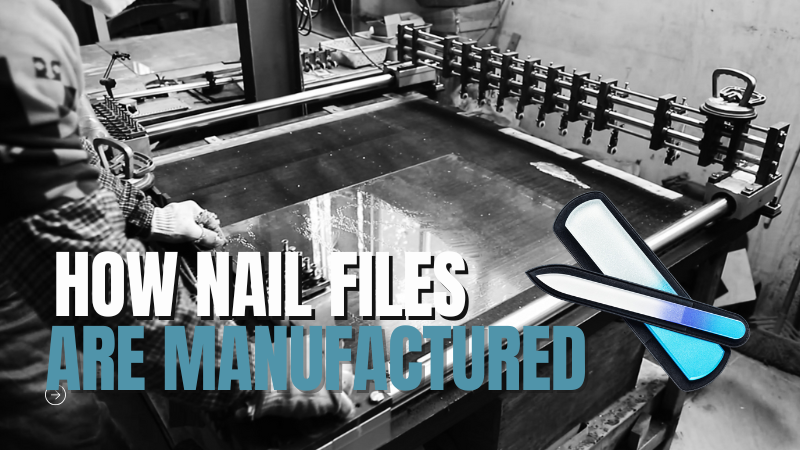
A transparent look at how professional nail files are made in a certified beauty tools factory in China
For many salon owners, beauty brands, and distributors, nail files might seem like simple tools. But behind every high-quality file is a carefully controlled production process that directly influences durability, grit accuracy, comfort, and overall performance.
At KAIGU BEAUTY, we’ve specialized in manufacturing nail files and manicure tools for over 14 years. With ISO, SGS, SEDEX, FDA, and BSCI certifications, our factory follows a standardized workflow that ensures stable quality and consistent output for global brands.
Below is the step-by-step breakdown of how salon-grade nail files are produced.
1. Material Selection: Choosing the Right Abrasive Paper
High-quality nail files begin with high-quality sandpaper.
Different nail file types require different abrasive materials:
- Aluminum Oxide – durable, suitable for natural nails and gel polishing
- Silicon Carbide – sharp, ideal for acrylic and hard gels
- Zirconia – premium, long-lasting performance for professional use
During this stage, we check:
- Grit accuracy (80 / 100 / 150 / 180 / 240 / 320 etc.)
- Paper flexibility
- Surface consistency
- Waterproof or non-waterproof coating
Only sandpaper rolls that pass inspection move to the next step.
2. Lamination: Bonding Abrasive Paper to the Base Core
After selecting the right sandpaper, the next step is lamination, where the abrasive layer is bonded to the nail file’s inner core.
Common core materials include:
- PP (Polypropylene) – flexible, light, popular for high-volume orders
- PS (Polystyrene) – more rigid
- Wood – traditional style, strong and classic
- Sponge + Foam Layers – used for buffers and soft-touch files
The lamination process uses pressure and heat to ensure the abrasive surface stays firmly adhered without bubbles, wrinkles, or weak spots.
A well-laminated file means:
- Even sanding performance
- Longer lifespan
- More comfortable handling
3. Shaping & Die Cutting: Creating the Final Form
Once the laminated sheets are ready, they are sent to the die-cutting section.
Using precision molds, we cut the files into their required shapes:
- Half Moon
- Straight
- Banana
- Oval / Boat
- Tapered
- Custom Shapes (OEM welcomed)
Each mold is designed for accuracy, so the edges and curves stay consistent across thousands of pieces.
We also adjust thickness based on client preference — thin, medium, thick, or salon-premium.
4. Edge Trimming & Smoothing
To make nail files comfortable and safe to use, the cut edges must be professionally finished.
Our team smooths and seals the edges to avoid:
- Sharp corners
- Paper lifting
- Peeling during use
This step is especially important for high-end files and washable/disinfectable versions.
5. Printing & Branding (OEM / Private Label)
Most B2B customers request private labeling.
Common customizations include:
- Logo printing
- Custom shape and size
- Custom grit combinations (e.g., 100/180, 180/240)
- Pantone-matched colors
- Packaging options (OPP bags, custom boxes, kits)
We use screen printing, UV printing, or laser marking depending on the requested finish.
6. Quality Inspection: Checking Grit, Shape, and Durability
Before packing, every batch undergoes strict QC testing.
We inspect:
- Grit accuracy and evenness
- Lamination strength
- Odor and chemical safety
- Shape consistency
- Thickness and flexibility
- Abrasion performance (how many strokes before wear)
Only files that meet the factory standards are approved for shipping.
7. Packaging & Bulk Preparation
The final step is packaging according to customer requirements:
- Individual OPP bags
- Multi-pack bundles
- Retail packaging
- Salon kits or gift sets
- Bulk cartons for wholesalers
Packaging helps protect files from moisture, dust, and shape distortion during transport.
Why This Matters for Nail/Manicure Buyers
A well-made nail file:
- Saves salons money (longer usage life)
- Improves customer experience
- Reduces breakage and returns
- Ensures consistent filing results
- Strengthens your brand reputation
Understanding the production process also helps buyers make smarter decisions when customizing their own product lines.
Final Thoughts
Behind every professional nail file is a series of detailed processes that ensure safety, performance, and durability. As a factory with over a decade of experience in nail care tool manufacturing, KAIGU BEAUTY provides OEM & ODM mincure services for global beauty brands, nail salons, retailers, and distributors who need reliable, bulk-order solutions.